
Is a Peljesac Wine Tour from Dubrovnik Worth It?
- travelteamcroatia
- 11 minutes ago
- 5 min read
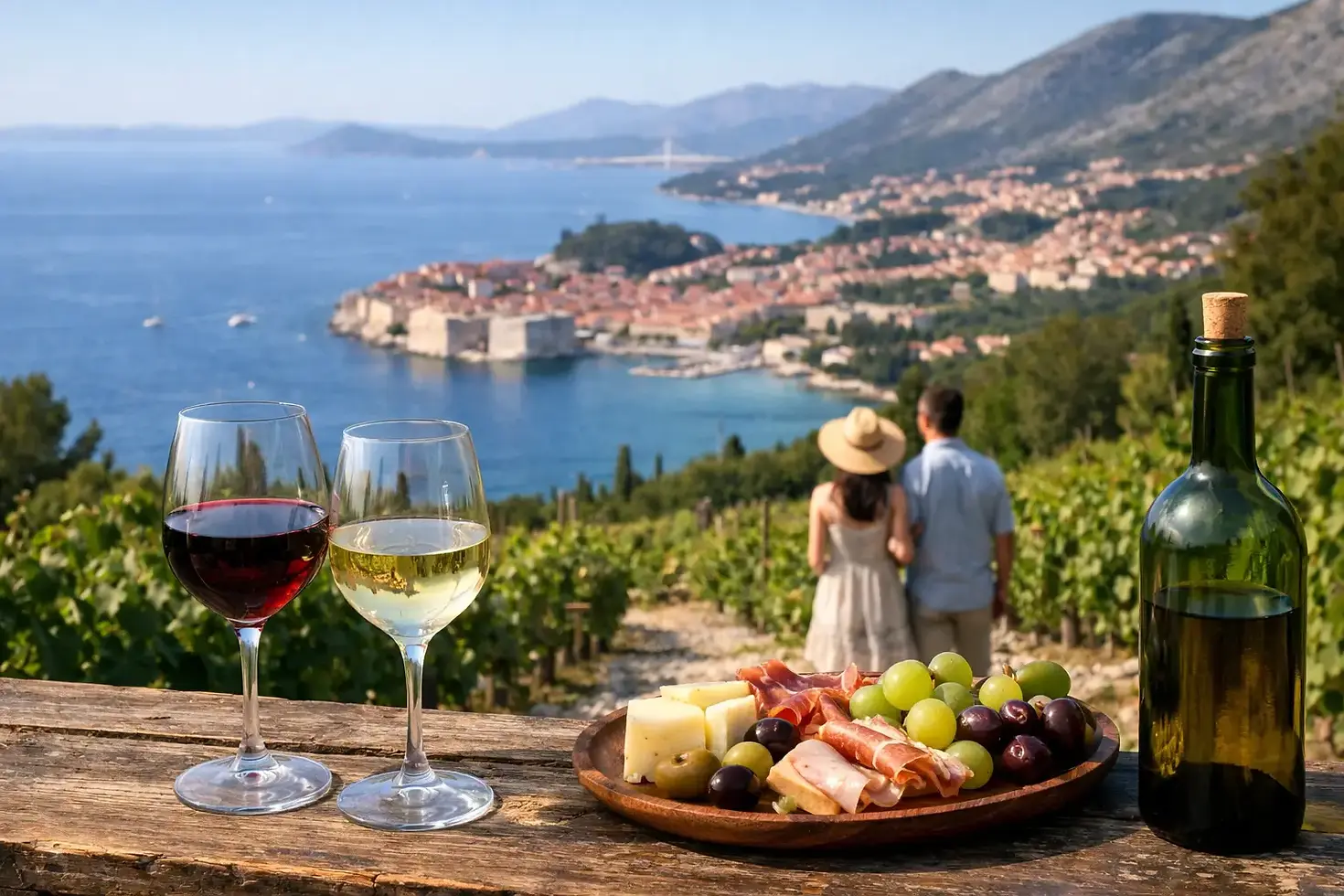
A Peljesac wine tour from Dubrovnik replaces a busy Old Town afternoon with vineyard views, stone villages, fresh Adriatic flavors, and a glass of Plavac Mali where it is grown. It is one of the best day trips for travelers who want to see a quieter side of southern Croatia without giving up the comfort and convenience of a guided experience.
The Peljesac Peninsula begins north of Dubrovnik and rewards the drive almost immediately. The road follows the coast, rises above blue coves, and leads toward the famous salt pans and medieval walls of Ston. From there, vineyards become part of the landscape. This is not a rushed tasting-room stop in a city center. It is a full-day escape shaped by local food, family-run wineries, and the relaxed rhythm of the peninsula.
What makes Peljesac special for wine lovers
Peljesac is the home of Plavac Mali, Croatia's best-known red grape. The name translates to "little blue," a nod to its dark-colored berries, but the wines themselves can be surprisingly varied. Some are bright and fruit-forward, while others are rich, structured, and made for a long lunch with grilled meat or aged cheese.
The peninsula's steep, sun-soaked slopes and dry, rocky soil give the wines their character. Dingač and Postup are the two names serious wine drinkers will hear most often. Both are celebrated Peljesac appellations, but they are not identical. Dingač is often fuller and more powerful, while Postup can feel more elegant and aromatic. The best way to understand the difference is simple: taste them in the place that made them famous.
A good wine day here also goes beyond red wine. Many wineries pour crisp white wines, rosé, dessert wines, olive oil, homemade brandy, and local preserves. If one person in your group prefers lighter styles, that does not mean Peljesac is the wrong choice. Let your guide know what you enjoy, and the stops can be tailored accordingly.
A typical Peljesac wine tour from Dubrovnik
Most tours begin with a hotel or central Dubrovnik pickup in the morning. Leaving early helps you avoid the hottest part of the day in summer and gives you time to enjoy the peninsula rather than watching the clock. The journey to Ston generally takes around an hour, depending on traffic and your pickup location.
Ston: walls, salt, and oysters
Ston is a natural first stop. Its long defensive walls run over the hills above town, and its historic salt pans have been producing sea salt for centuries. Even a short walk through the center gives the day a strong sense of place.
For many guests, the real highlight is the oyster experience. Mali Ston Bay is known for shellfish, and oysters here are often served simply with lemon, allowing the clean, briny flavor to speak for itself. They are not for everyone, especially if you are unsure about raw seafood, but there are excellent cooked seafood alternatives and traditional Croatian dishes available nearby.
This is one of the pleasant trade-offs of a wine tour: a seafood stop makes the day more memorable, but it can mean less time at a later winery. Private tours are especially useful for groups that want to choose their priority - more tasting, more sightseeing, or a long, relaxed lunch.
Winery visits and vineyard views
After Ston, the route continues through the peninsula's wine country. Winery visits are often intimate rather than formal. You may meet the owner, taste in a small cellar, and hear how a family works the same plots of land year after year.
Expect a tasting to include several wines alongside bread, cheese, cured ham, olive oil, or other local bites. The exact selection changes with the winery and season, which is part of the appeal. This is not a standardized production. The wines, stories, and food tend to feel personal.
The number of winery stops depends on the pace of your day. Two well-chosen wineries are usually enough for travelers who want time to taste properly and enjoy a meal. Trying to squeeze in four or five stops may sound appealing, but it can turn a scenic day into a checklist. Quality matters more than quantity here.
Lunch with a view
A traditional lunch is often the moment when Peljesac makes complete sense. Think grilled fish caught locally, black risotto, octopus, lamb, or a platter of regional cheese and prosciutto, paired with a wine you have just tasted nearby.
Ask for a waterfront table if your route allows it. Some of the peninsula's most satisfying meals happen in small coastal villages where the view is as good as the food. During July and August, reservations are smart. Dubrovnik may be the headline destination, but restaurants across Peljesac are busy in peak season too.
Who should book this day trip?
This experience suits couples looking for a romantic break from Dubrovnik, friend groups celebrating a special trip, and food-focused travelers who would rather visit vineyards than another crowded attraction. It also works well for families with adult children and multigenerational groups when the itinerary includes Ston, scenic stops, and a flexible lunch.
It may be less ideal for travelers who only have a few hours in Dubrovnik, guests who do not enjoy wine or long lunches, or anyone hoping for a high-energy beach day. Peljesac is about slowing down. The views are beautiful, but the pleasure comes from allowing enough time for each stop.
If your group includes non-drinkers, they can still have a great day. Food tastings, olive oil, village walks, historic Ston, and coastal scenery offer plenty to enjoy. A private driver-guide also lets the wine drinkers relax without anyone needing to volunteer as the designated driver.
How to plan a better wine day
Book a private or small-group format if you value a more personal pace. Small groups are a good fit for couples and solo travelers who want an organized day at a lower cost. A private tour is worth considering for families, friend groups, cruise guests with a firm return time, or travelers with specific winery and restaurant preferences.
Wear comfortable shoes, particularly if you plan to walk around Ston or visit a hillside vineyard. Bring sunglasses, sunscreen, and a light layer in spring or fall. Winery cellars can be cooler than the road outside, while the peninsula itself gets very warm in midsummer.
Eat a light breakfast before departure. Tastings usually include snacks, but wine on an empty stomach is never the best start to a vacation day. It is also wise to carry water and let your guide know about allergies, dietary preferences, or mobility concerns before the tour begins.
The best season depends on what you want. May, June, September, and early October offer warm weather with fewer crowds and a gentler pace. July and August bring long sunny days, lively restaurants, and the fullest summer atmosphere, but advance planning matters. Harvest season, usually in early fall, can be especially interesting for travelers curious about vineyard work, though winery schedules may be more limited.
Make the return to Dubrovnik part of the experience
The drive back is not just transit. Late-afternoon light over the Adriatic can be one of the quiet highlights of the day, especially after a leisurely lunch. Rather than rushing to fit in one final stop, leave room to enjoy the landscape and return to Dubrovnik feeling refreshed rather than over-scheduled.
Ragusa Boat Charter & Tours can help guests pair a Peljesac wine day with the rest of a Dubrovnik itinerary, whether that means an Elaphiti Islands boat trip, an Old Town walk, or an easy airport transfer. It is a practical way to keep your vacation plans coordinated while still leaving space for spontaneous moments.
Save room in your suitcase for a bottle or two, but do not make buying wine the main mission. The lasting part of Peljesac is the setting: an oyster by the bay, a cellar conversation, a lunch that runs a little longer than planned, and the feeling that Croatia has become more personal beyond Dubrovnik's walls.


Comments