

How to Tour Dubrovnik Fortifications Well
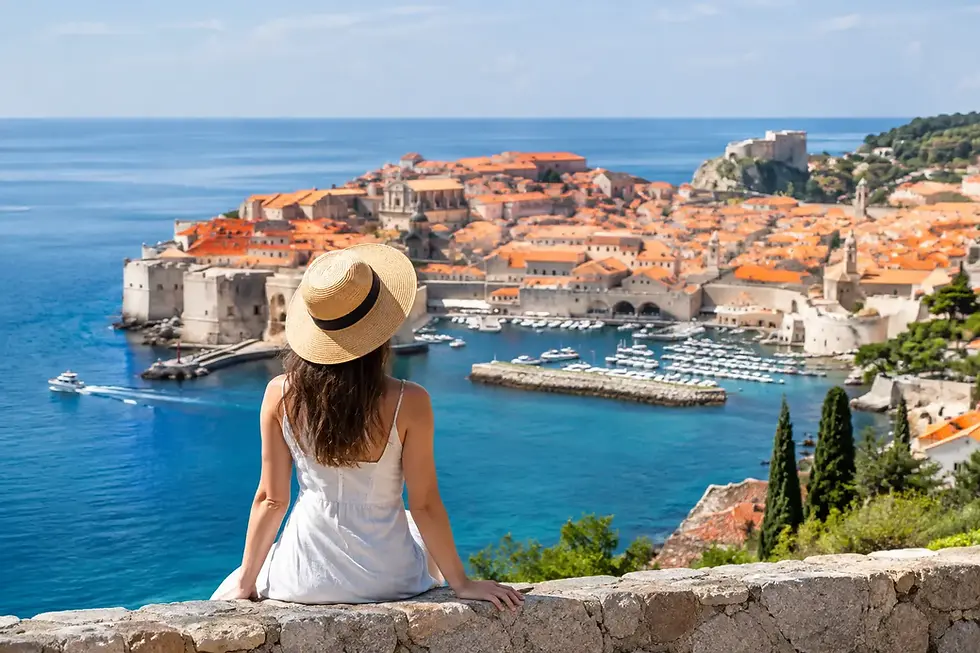
The first climb tells you exactly why Dubrovnik’s defenses are famous: limestone steps rising above red-tiled roofs, the bright Adriatic stretching below, and towers built to protect a city that refused to be overlooked. Knowing how to tour Dubrovnik fortifications makes the experience far more enjoyable. These are not just viewpoints for a quick photo. They are a remarkable system of walls, gates, forts, and sea-facing strongholds that reward a little planning.
For most visitors, the best approach is to combine the City Walls with one or two forts beyond the main circuit. Start early, move at an unhurried pace, and leave room for a cold drink, a swim, or a boat trip afterward. Dubrovnik can be busy, especially from late spring through early fall, but the right route turns a crowded sightseeing stop into one of the great days of a Croatia vacation.
How to Tour Dubrovnik Fortifications Without the Rush
The City Walls are the natural starting point. They wrap around the Old Town for roughly 1.2 miles and include a continuous elevated walking route with towers, bastions, and unforgettable views. Most people enter near Pile Gate, the western entrance to the Old Town, although there is also an entrance near Ploče Gate on the eastern side.
If you are staying nearby and want the classic experience, enter at Pile Gate shortly after opening. Morning light falls beautifully across the roofs and the sea, temperatures are more comfortable, and you have a better chance of enjoying the narrowest sections before the main crowds arrive. Cruise-ship schedules can change the rhythm of the city, so early morning is especially valuable on busy port days.
The walk is one-way, with plenty of stairs and uneven stone underfoot. It is manageable for many visitors, but it is not ideal for anyone with significant mobility limitations, a knee injury, or strong discomfort with heights. Families with older children often love it; families with toddlers should consider the heat, stairs, and the need to carry a stroller. Comfortable shoes, water, sunscreen, and a hat are essential, even when the weather feels mild at street level.
Plan on 90 minutes to two hours for the walls. You can finish faster, but that means missing the reason you came. Pause at the towers, look down into the quiet lanes of Old Town, and notice how the city’s defensive design follows the steep terrain. On the southern side, the walls open toward Lokrum Island and the sea. On the northern side, you get a completely different perspective of the city’s rooftops and Mount Srđ.
Pick Your Direction Based on the View You Want
From Pile Gate, many visitors naturally head toward the sea-facing section. It is a great choice for dramatic Adriatic views, but the first stretches can feel busiest. If you are entering from Ploče Gate, you may find a calmer start and reach some of the most photogenic sections before the flow of visitors catches up.
There is no wrong direction, but there is a useful trade-off. Start early from Pile for convenience and classic views. Choose Ploče if you are staying on the eastern side of town or want to begin with a slightly quieter feel. Either way, take your best photos before midday, when the pale stone and open walkways reflect strong sun.
The Forts Worth Adding to Your Day
Dubrovnik’s fortifications extend beyond the main walls. If your schedule allows, adding a fort gives you a fuller picture of how the Republic of Ragusa protected its harbor, trade routes, and independence for centuries.
Fort Lovrijenac is the easiest and most rewarding addition. Perched on a cliff just outside Pile Gate, it faces the Old Town from across a small bay. Its position is spectacular, and the view back toward the City Walls is one of Dubrovnik’s best. The climb is short but steep, so visit before the walls if the morning is cool, or save it for later if you would rather take a break between climbs. Admission is often covered by the same ticket used for the City Walls, but confirm current ticket terms and opening hours before your visit.
Revelin Fortress sits near Ploče Gate and once guarded the eastern approach to the city. It is especially easy to include if you begin or end your wall walk on that side. Its massive stone structure is impressive from outside, and its location places you close to Banje Beach, the Old Port, and the boats that leave for Lokrum.
Minceta Tower is part of the City Walls rather than a separate stop, but it deserves extra time. High above the northwestern side of Old Town, it is the city’s most imposing tower and one of the strongest viewpoints on the circuit. The ascent is a workout, yet the panoramic reward is worth it for travelers who are comfortable with stairs.
For a more unusual perspective, look toward Fort Bokar on the western wall and St. John’s Fortress by the Old Port. Bokar seems to hover over the sea, while St. John’s helps explain how Dubrovnik defended its harbor. You do not need to treat every tower as a checklist. Choose the sections that fit your energy and let the architecture tell the story as you go.
Build a Half-Day Itinerary That Feels Like a Vacation
A fortifications visit works best when you avoid packing every Old Town sight into the same few hours. The walls require attention, water, and a little breathing room. A simple half-day plan is more satisfying than racing between monuments in the hottest part of the afternoon.
Begin with coffee or breakfast outside the busiest Old Town lanes, then enter the City Walls when they open. Walk at a relaxed pace and finish near the time you are ready for an early lunch. Afterward, choose between Fort Lovrijenac, a stroll through the Old Port, or a swim at Banje Beach. If the heat is high, swap the beach for a boat ride to Lokrum or the Elaphiti Islands, where the sea offers the perfect reset after all that stone and climbing.
Visitors with just one day in Dubrovnik should be realistic. The walls, Old Town, and a sunset boat experience make a wonderful day without exhausting you. Trying to add the walls, Mount Srđ, museums, Lokrum, and an island tour all before dinner can turn a holiday into a schedule. It depends on your pace, the season, and whether you are traveling with children, but choosing two or three standout experiences is usually the better call.
What to Know About Tickets, Weather, and Crowds
Buy your ticket through an official, current source and check the day’s operating hours before setting out. Hours and access can shift by season, weather, maintenance, or special events. If you are considering a city pass, compare what it includes with the sights you genuinely plan to visit rather than buying it automatically.
Summer heat is the biggest practical challenge. There is limited shade on many sections of the walls, and the limestone stores warmth. Carry more water than you think you need, wear grippy shoes instead of sandals, and save the exposed walk for morning or late afternoon. A light rain can make stone steps slick, so take your time and use handrails where available.
Crowds are part of Dubrovnik’s appeal, but they do not have to define your day. Avoid the middle of the afternoon, step aside rather than stopping in the narrowest passages, and let faster walkers pass. The best travel days here are not about claiming every photo spot. They are about noticing the sea breeze at a battlement, the sound of church bells below, and the astonishing fact that these walls have watched over Dubrovnik for centuries.
Add Local Context, Not Just Photos
A guided walk can make the fortifications more meaningful, especially for first-time visitors who want the stories behind the stone. You will understand why the walls are angled where they are, how the harbor was protected, and why this small maritime republic became such an influential trading power. Independent travelers can still have an excellent visit, but a knowledgeable local guide helps connect the views to the city’s history.
Ragusa Boat Charter & Tours can also help visitors shape a day that balances Dubrovnik’s essential land sights with time on the Adriatic. After walking the walls, seeing the city from the water is a completely different pleasure: the fortifications rise above the coast, the crowds fade behind you, and the scale of the old republic becomes clear.
Leave the walls with enough daylight and energy to enjoy what sits beyond them. Find a terrace, take a swim, or watch Dubrovnik’s defenses glow warm at sunset from the sea. That is when the fortifications stop feeling like a sightseeing task and become part of the vacation story you will keep telling.


Comments